
Garden Edging Ideas
Ten ways to create cleaner lines, stronger transitions and more considered landscapes.
Start with the landscape.
Not the edging.
Good garden edging should resolve the transition between two parts of a landscape. Lawn meets garden bed. Gravel meets paving. Planting meets a driveway. One level becomes another.
The right landscape edging depends on what it needs to separate, the shape of the landscape and how visible you want the finished edge to be. In some gardens, the best edge is the one you barely notice.
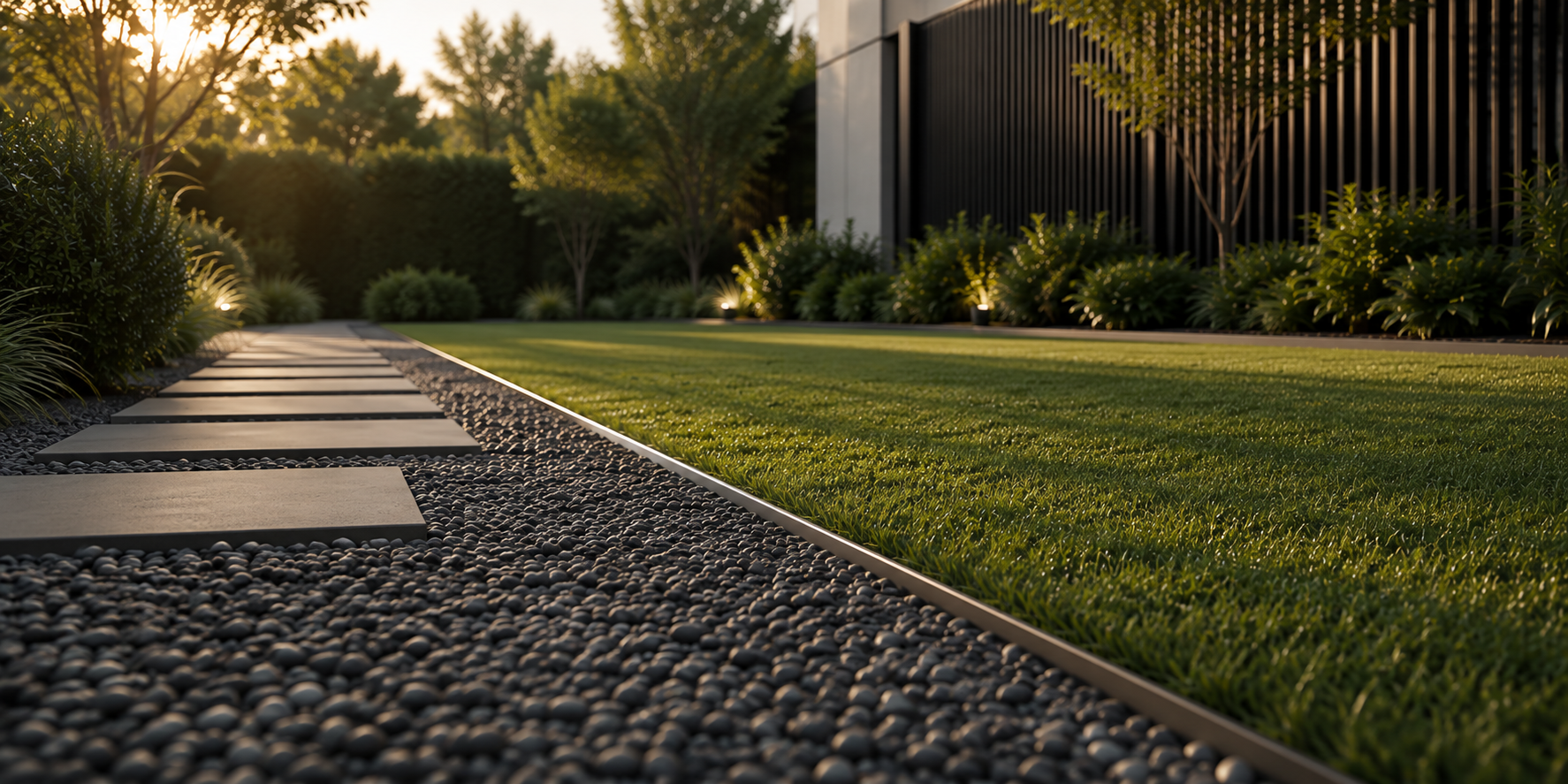
Let the lawn finish cleanly.
Lawn edging works best when it creates a clear boundary without becoming the feature itself. A slim, continuous edge keeps grass, mulch and planting separated while giving the garden bed a more deliberate shape.
For curved or straight garden edging, aluminium is particularly useful because it can create crisp lines while remaining visually restrained within the landscape.
Explore Heavy Duty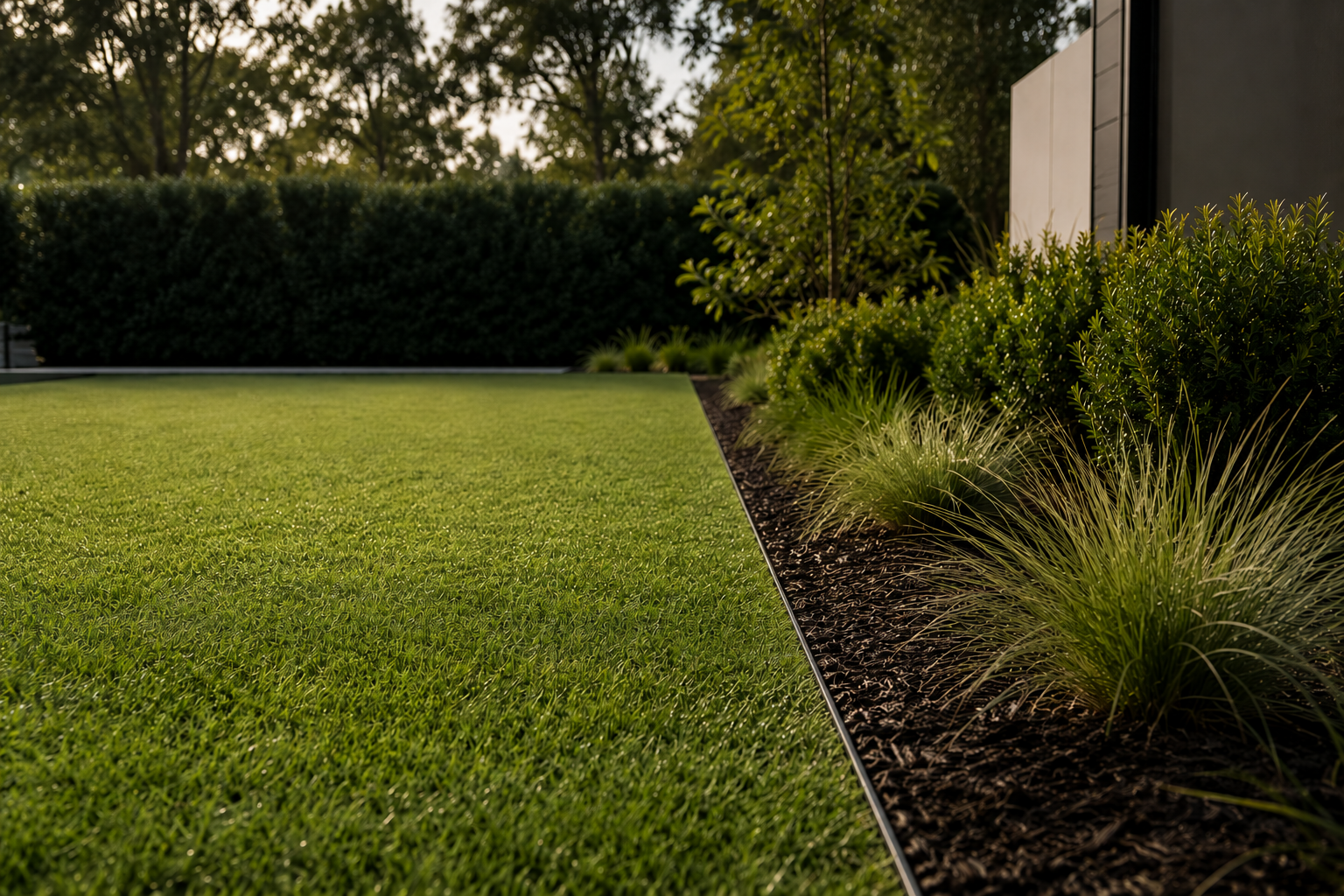
Give planting a defined edge.
Garden bed edging creates a clear separation between planting, mulch, lawn and surrounding hardscape. A well-defined edge helps the garden read as intentional while making maintenance easier over time.
Aluminium garden edging works particularly well where clean lines, smooth curves and a restrained appearance are important. It can define the bed without competing with the planting itself.
Explore Heavy Duty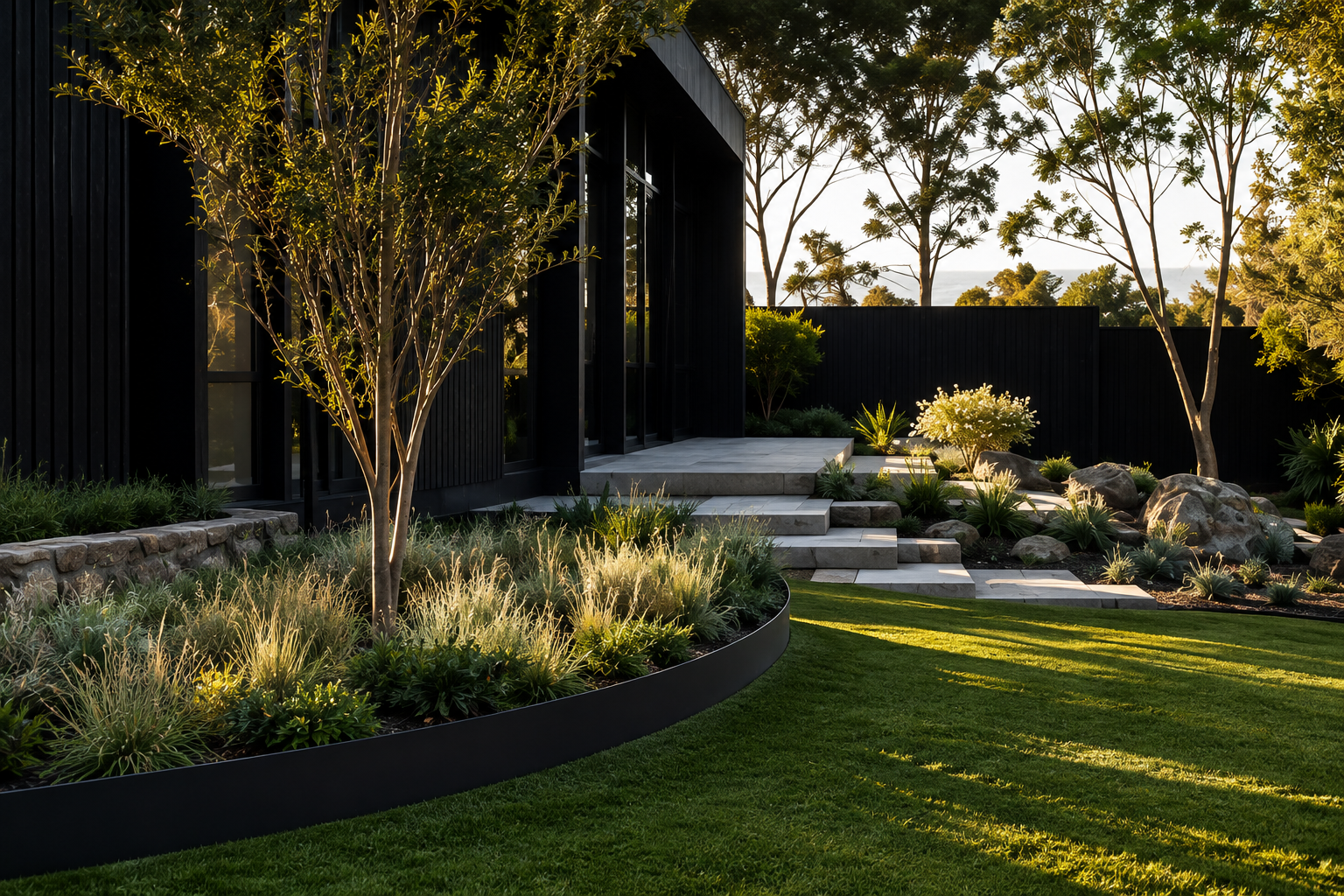
Make the transition precise.
Garden edging beside a driveway or paved area creates a controlled transition between hardscape and landscape. It can separate planting, lawn, gravel or mulch from concrete and paving while maintaining a clean architectural line.
Aluminium garden edging is particularly suited to these details because it can follow straight runs or curves while creating a slim, consistent edge alongside the adjoining surface.
Explore Heavy Duty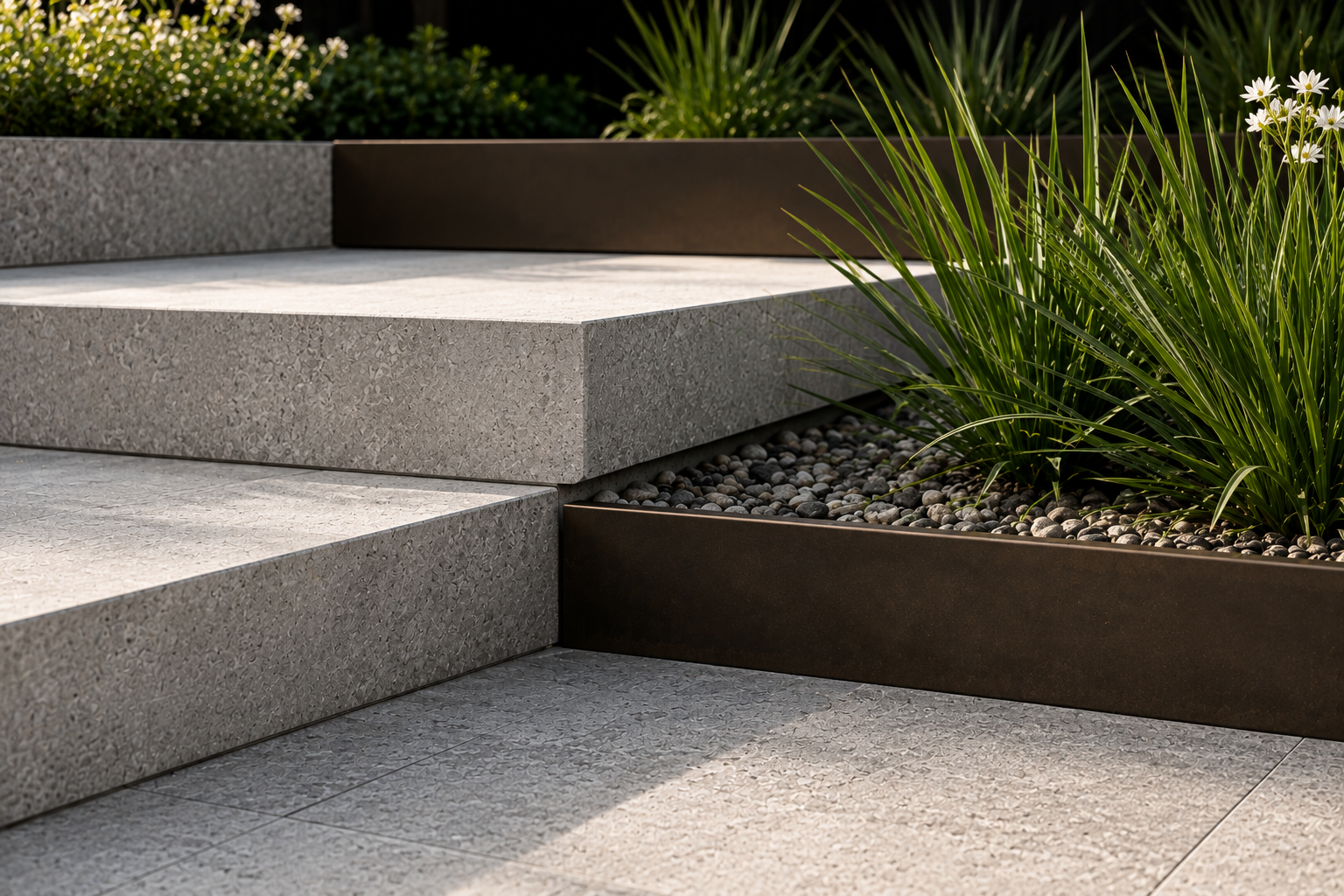
Keep loose materials where they belong.
Gravel pathway edging creates a defined boundary between loose aggregate and the surrounding lawn or garden bed. A continuous edge helps maintain the shape of the pathway while reducing the movement of gravel into adjoining landscaped areas.
Aluminium landscape edging can follow straight paths or flowing curves, creating a precise separation without introducing a visually heavy border into the garden.
Explore Heavy Duty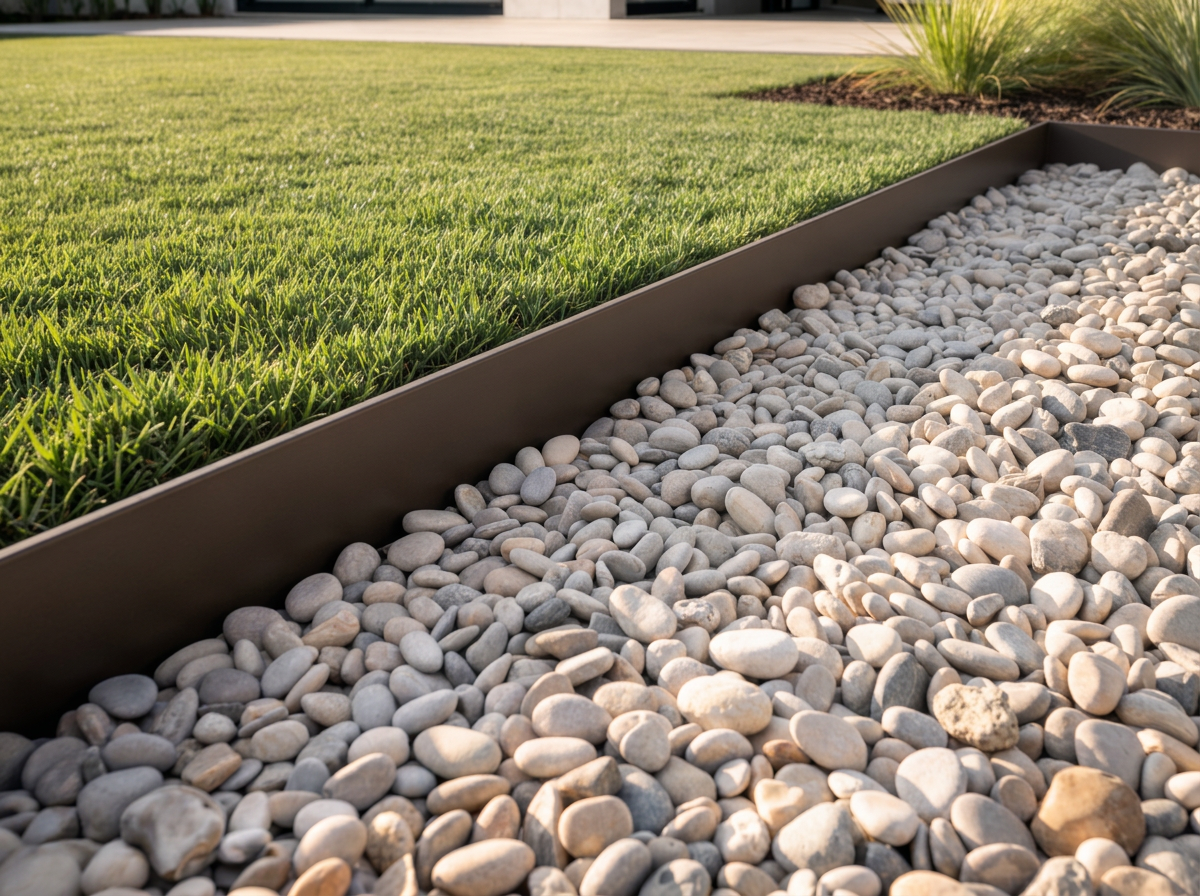
Let the line flow.
Curved garden edging can soften a landscape and guide the eye through lawns, planting and pathways. The key is creating a smooth, continuous radius rather than a series of short, noticeable changes in direction.
Aluminium garden edging can be formed into sweeping curves while maintaining a clean profile, allowing the edge to follow the landscape rather than dictate its shape.
Explore Heavy Duty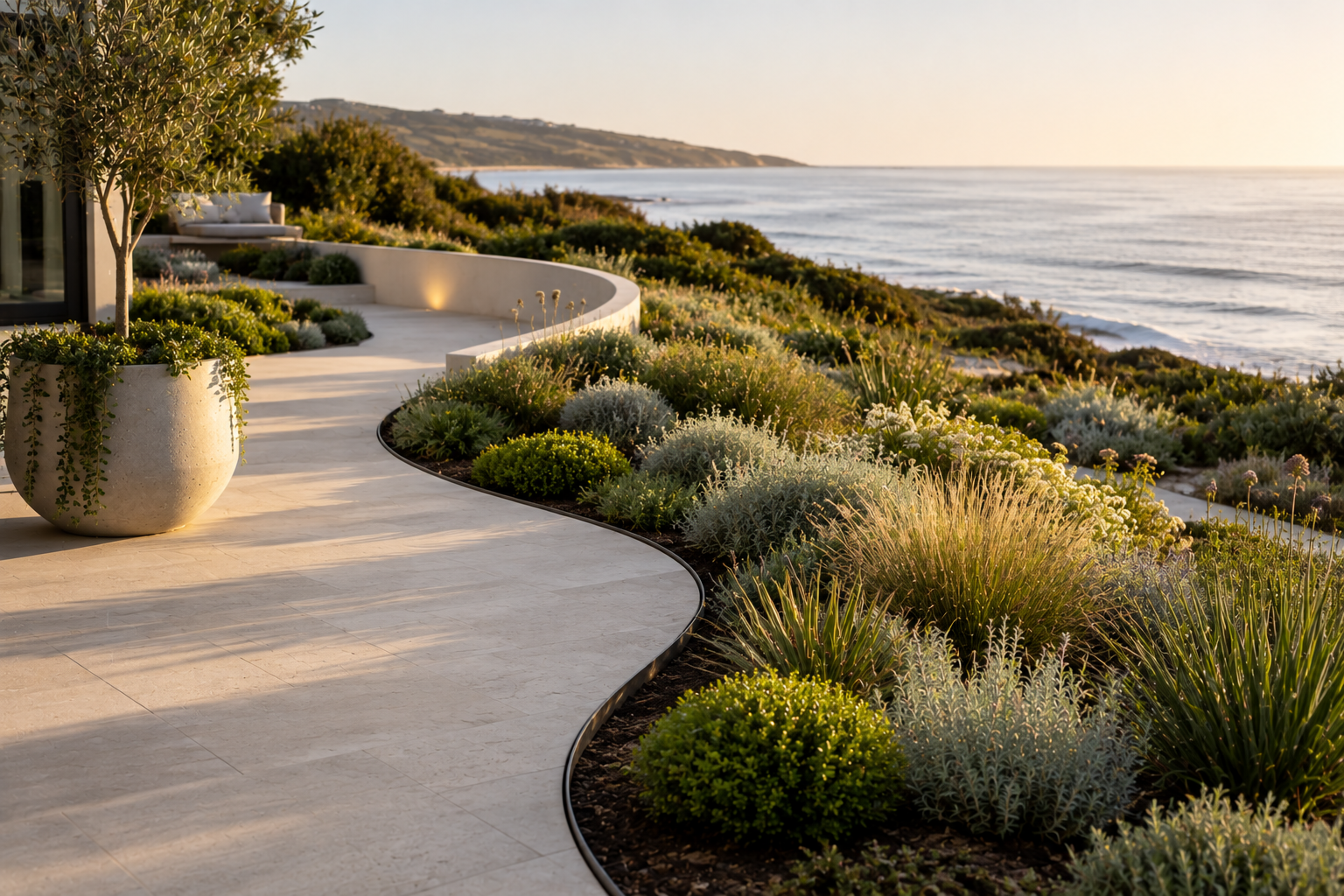
Give artificial turf a proper finish.
Artificial turf edging defines where the turf finishes and the adjoining garden begins. A clean perimeter is particularly important around garden beds, pathways and curved landscape areas where an uneven edge can quickly become noticeable.
Aluminium garden edging provides a slim, consistent boundary that can follow straight lines or curves, helping artificial grass sit cleanly within the surrounding landscape.
Explore Heavy Duty
Turn a change in level into a design detail.
Garden edging can do more than separate two surfaces. Where a landscape changes elevation, a deeper aluminium edge can define the transition between lawns, planting, pathways and adjoining garden areas.
For modest changes in level, the edge becomes part of the architecture of the landscape — creating a clean vertical face while allowing straight lines or curves to continue through the design.
Explore Terrace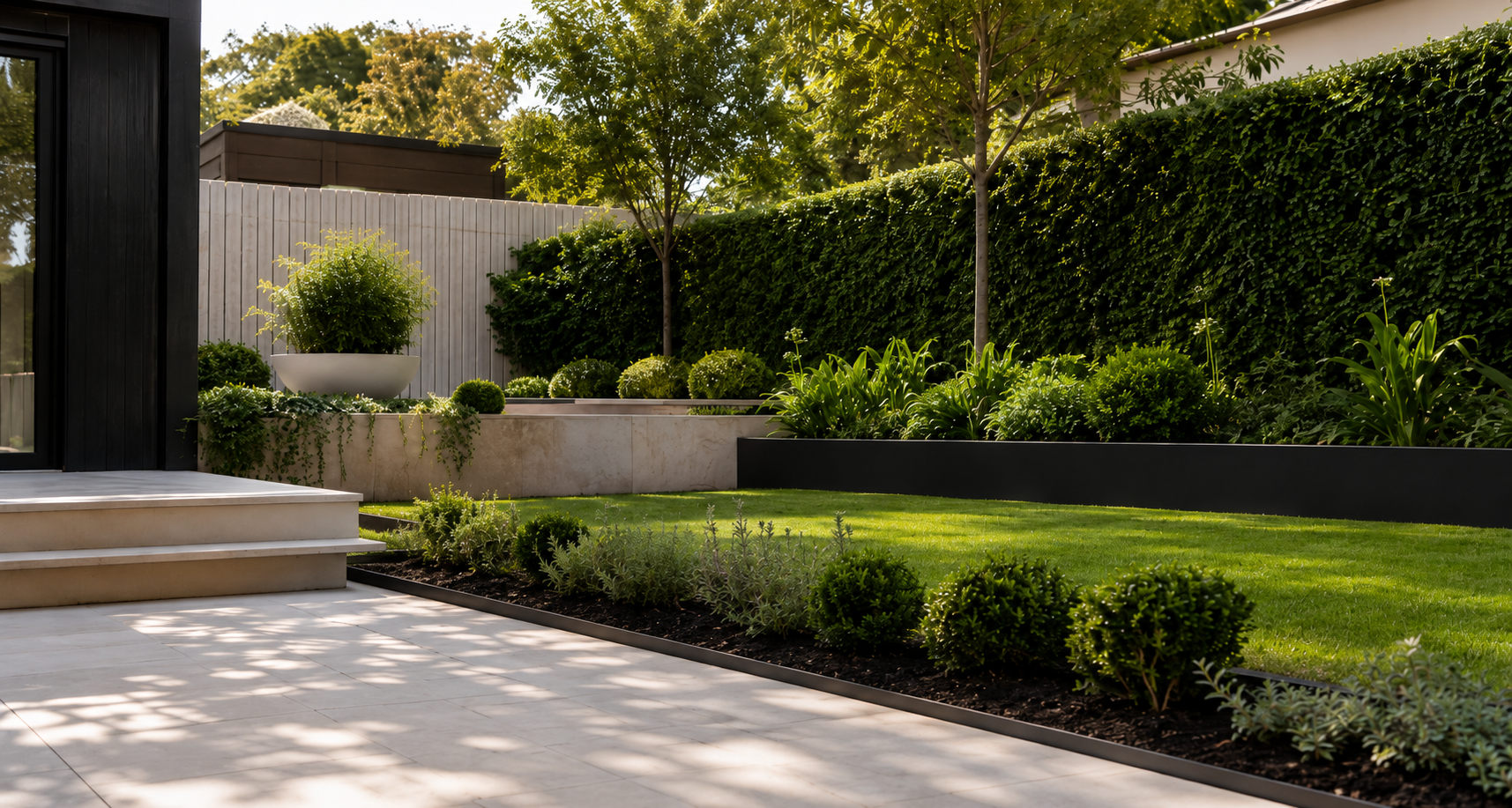
Take the edge higher.
Raised garden edging can transform a simple boundary into an architectural element. Increasing the height creates stronger definition between planting and surrounding lawns, pathways or paved areas while introducing another level into the landscape.
Aluminium is particularly suited to raised garden beds where a clean, contemporary profile is required. Straight runs, corners and curves can become part of the overall garden design rather than simply defining its perimeter.
Explore HiRise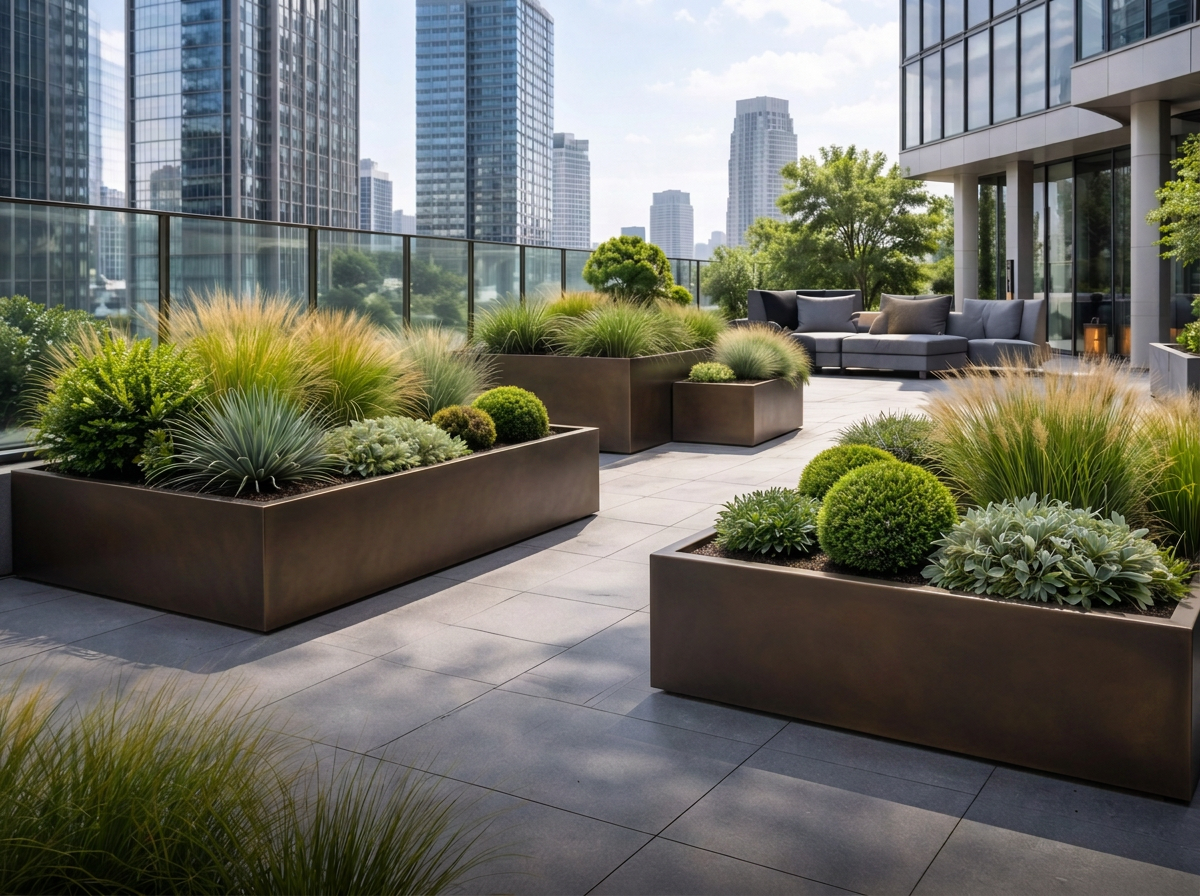
Give trees their own space.
Tree surround edging creates a clear boundary around trunks and planting, separating mulch, gravel or garden material from surrounding lawn and hardscape.
Aluminium edging can form clean circular or curved tree surrounds while maintaining a slim profile, helping the tree remain the focus rather than the border around it.
Explore Arbour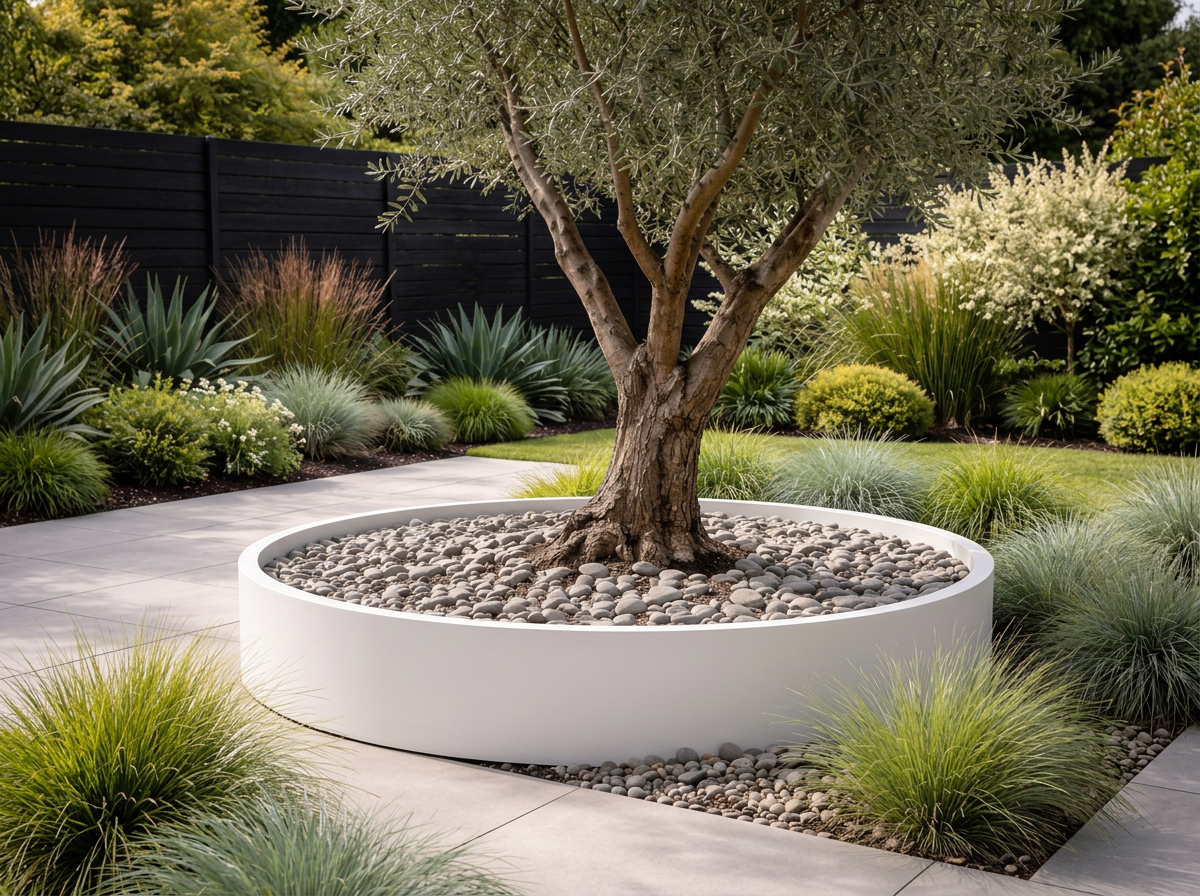
The material changes the way the edge performs.
Metal garden edging is available in several materials, each with different visual and practical characteristics. Aluminium, steel and Corten can all create strong landscape lines, but the right choice depends on the finish, environment and the way the edge needs to perform over time.
Aluminium
Lightweight, corrosion resistant and suited to clean straight lines and smooth curves. Aluminium garden edging works particularly well where a refined, low-maintenance finish is required.
Steel
Strong and familiar in landscape applications, steel edging can create crisp borders but may require more consideration around coatings, corrosion and long-term exposure.
Corten
Corten steel develops a weathered appearance over time and can become a visible design feature where a rusted finish is part of the landscape aesthetic.
Now design your edge.
Choose the Hedge system, height and finish for your landscape, then build an estimated project price.